Foam mattresses are a category of bedding designed to contour to the body's curves, providing targeted support and pressure relief. They use viscoelastic or polyfoam layers to adapt to sleeping positions, improving spinal alignment and reducing motion transfer. This makes them suitable for diverse sleeping styles and shared beds, including platform or adjustable frames.
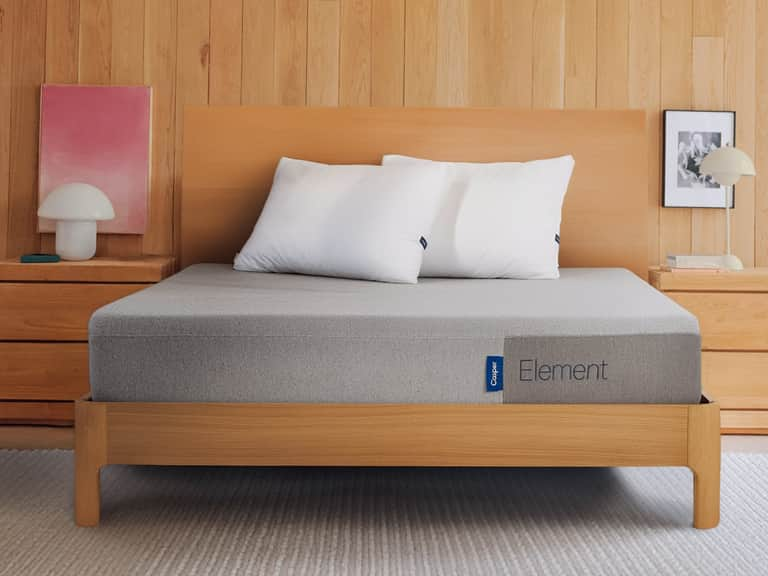
Key features of foam mattresses typically include varying densities, cell structure, and layer blends that balance firmness and conformity. The Element Mattress exemplifies these traits with a high-resilience foam core and comfort layers that respond to warmth and weight. Such construction aims to deliver durable support while maintaining a comfortable, cushioned surface.
Foam mattresses often incorporate open-cell or gel-infused foams to enhance airflow and heat management. This improves sleep by maintaining a more consistent microclimate under different room conditions. In addition, the materials can contribute to overall resilience, reducing sinkage and maintaining spinal alignment over time.
When evaluating foam options, consider support systems, edge stability, and cover materials. For example, the Element Mattress combines a supportive core with breathable coverage to enhance durability and comfort. Proper selection aligns with individual needs, such as back pain relief, weight distribution, or ease of movement during sleep.
In bedding contexts, foam mattresses complement other sleep essentials like pillows and adjustable frames. The inclusion of compatible products, including organic mattresses and down pillows, can help establish a balanced sleep environment. Understanding material properties and application helps users choose a foam mattress that supports restful, restorative sleep.
 Mattresses